
Knowledge graphs have become one of the foundational building blocks of modern artificial intelligence systems, especially in semantic search, recommendation engines, and retrieval-augmented generation (RAG).
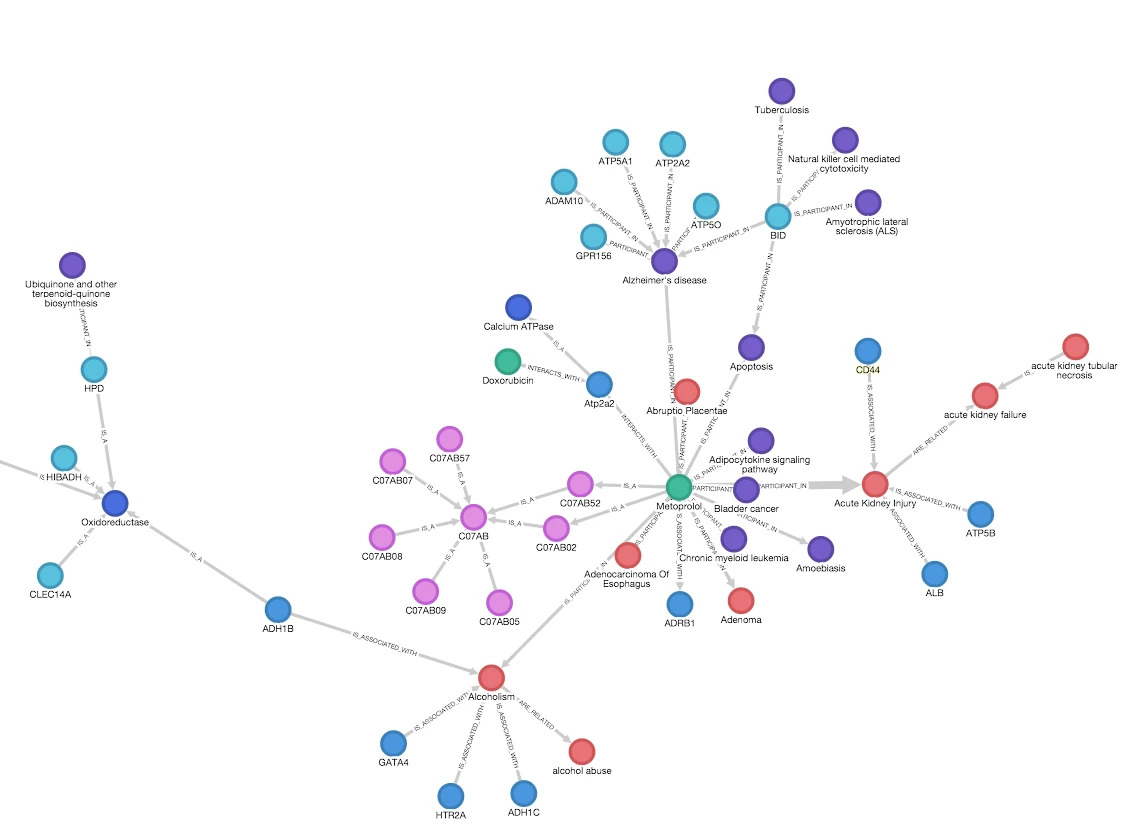
Instead of storing information as plain text or rigid tables, knowledge graphs represent data as a network of entities and relationships.
What is a Knowledge Graph?
A knowledge graph is a data structure that organizes information in the form of:
- Nodes → entities (people, concepts, objects)
- Edges → relationships between those entities
For example:
- “Einstein” → developed → “Theory of Relativity”
- “ChatGPT” → based on → “Large Language Models”
How is it represented?
A knowledge graph is typically modeled as triplets:
(subject, relation, object)
Example:
(Albert Einstein, developed, Theory of Relativity)
What are Knowledge Graphs used for?
- Semantic search
- RAG systems
- Recommendation systems
- Data integration
Knowledge Graphs vs Traditional Databases
| Feature | Relational Database | Knowledge Graph |
|---|---|---|
| Data model | Tables | Nodes & edges |
| Flexibility | Low | High |
| Query type | SQL | Graph traversal |
| Relationships | Limited | Rich |
Practical Example
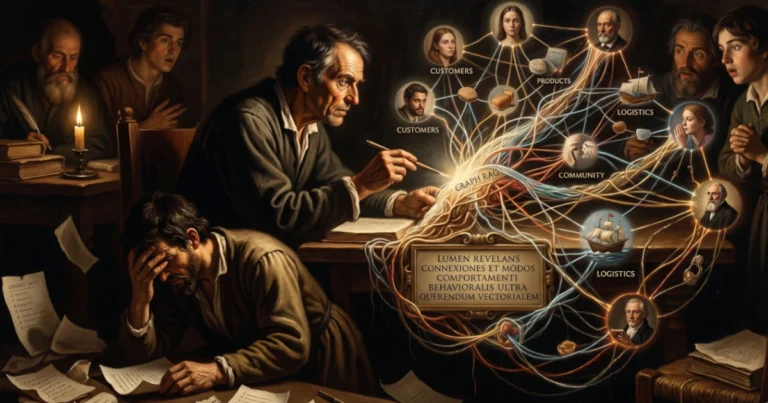
Customer → buys → Product
Product → belongs to → Category
Customer → interacts → Support
This enables queries like:
“Which customers bought products similar to those causing support tickets?”
Conclusion
Knowledge graphs are essential for modern AI systems, enabling structured reasoning, better retrieval, and reduced hallucinations.