

Introduction
Machine learning is no longer confined to research notebooks or data science experiments. Today, it powers recommendation systems, search engines, chat interfaces, fraud detection, and much more inside real web applications.
But building a model is only half the job. The real challenge is integrating machine learning models seamlessly into production web apps without breaking performance, scalability, or user experience.
This article breaks down how developers can bridge that gap effectively.
Why ML Integration Is More Than Just “Plug and Play”
A common misconception is that once a model is trained, it can simply be dropped into a web application. In reality, production environments introduce constraints that don’t exist during development.
Key challenges include:
- Latency requirements for real-time responses
- Scalability under high traffic
- Model versioning and updates
- Data consistency between training and production
- Security and API reliability
Successful integration requires architectural planning, not just code.
Choosing the Right Deployment Strategy
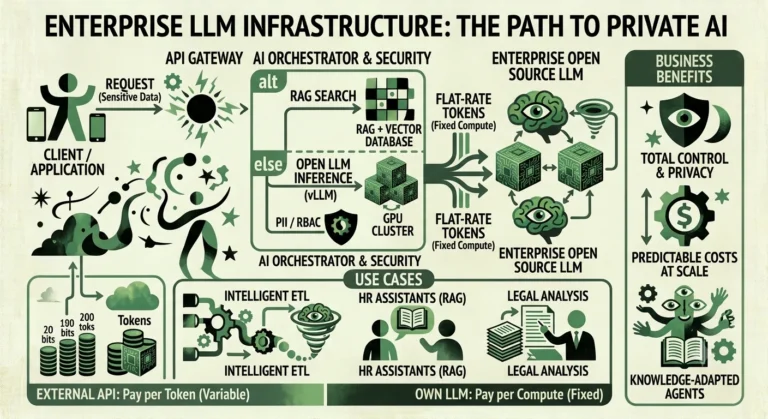
There are multiple ways to integrate machine learning models into web applications, and the right choice depends on your use case.
1. API-Based Deployment
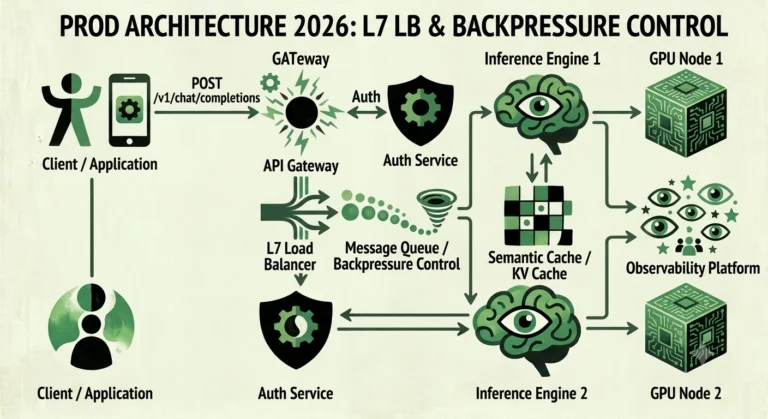
The most common approach is exposing the model via an API.
- Model runs on a separate service (often Python-based)
- Web app sends requests and receives predictions
- Easy to scale and update independently
This works well for most production systems.
2. Embedding Models in the Backend
In some cases, the model is embedded directly into the backend service.
- Lower network overhead
- Faster response times
- Tighter coupling between logic and model
However, this can make scaling and updates more complex.
3. Edge or Client-Side Inference
With modern tools, some models can run directly in the browser or on edge devices.
- Reduced server load
- Faster user experience
- Works offline in some cases
This is especially useful for lightweight models.
Building a Reliable ML Pipeline
A smooth integration depends on more than just deployment. You need a full pipeline that keeps your model healthy over time.
Important components include:
- Data ingestion and preprocessing pipelines
- Automated training workflows
- Model evaluation and validation steps
- Version control for models
- Continuous deployment (CI/CD) systems
Without this foundation, models can quickly become outdated or unreliable.
APIs: The Bridge Between Web and Machine Learning
APIs are the most critical layer in most ML-powered applications.
Best practices include:
- Use REST or GraphQL depending on complexity
- Keep endpoints simple and predictable
- Return structured JSON responses
- Implement proper error handling
- Monitor latency and request volume
Frameworks like FastAPI or Flask are commonly used to expose ML models efficiently.
Performance Optimization Matters
Machine learning models can be resource-heavy, so optimization is essential in production.
Common techniques:
- Model quantization to reduce size
- Caching frequent predictions
- Batch processing instead of single requests
- Using GPU acceleration where needed
- Load balancing across instances
Even small improvements can significantly enhance user experience.
Monitoring and Maintenance
Deployment is not the end of the process. Models degrade over time due to changing data patterns.
You should monitor:
- Prediction accuracy over time
- Latency and API response times
- System errors and timeouts
- Data drift and model drift
Tools like logging systems and observability platforms are essential for long-term stability.
The Future of ML in Web Development
The line between web development and machine learning is becoming increasingly blurred. Modern frameworks are making it easier to integrate intelligence directly into applications without complex infrastructure.
In the near future, developers will likely:
- Deploy models as easily as frontend components
- Rely on automated ML pipelines
- Use real-time adaptive systems
- Focus more on product logic than model plumbing
Conclusion
Integrating machine learning into web applications is not just a technical task—it’s an architectural decision. The most successful systems are those that treat ML as a living component of the application, not a static feature.
With the right strategy, tools, and mindset, developers can turn machine learning models into powerful, scalable features that enhance real-world user experiences.